
The Marketing World Ahead 2027: 10 Trends That Will Reshape Business Growth
AI, advertising, search, consumer behaviour and the future of marketing agencies are changing rapidly. Here are 10 developments businesses should understand before planning their marketing strategy for 2027.
Marketing is entering a new phase. Artificial intelligence is changing how campaigns are created and managed. Search engines are introducing AI-generated answers. Advertising platforms are taking greater control of campaign optimisation. Consumers are becoming more selective about the brands they trust, while businesses are demanding clearer evidence that marketing generates revenue.
These developments are not happening independently. Together, they are changing how businesses attract customers, compete for attention and convert demand into sales.
The question for 2027 is no longer simply how to reach more people. It is how to remain visible, relevant and profitable in an increasingly automated and competitive marketplace.
At Rexthrone, we see the next phase of marketing as a shift from isolated marketing activities towards connected growth systems, where strategy, advertising, content, customer data, automation and sales performance work together. This outlook also sits within the wider technology and business themes explored in The Economist's The World Ahead 2027.
Quick Overview: The 10 Marketing Trends for 2027
- AI will become an integral part of marketing operations.
- Search will expand beyond traditional search engines.
- Advertising platforms will automate more campaign decisions.
- Consumer trust will become a stronger competitive advantage.
- Creator marketing will evolve into a measurable distribution channel.
- Marketing performance will be judged more closely by revenue.
- First-party data and customer relationships will become more valuable.
- Personalisation will move towards behavioural intelligence.
- Social platforms will increasingly overlap with search and commerce.
- Digital marketing agencies will move towards integrated growth partnerships.
1. AI Will Become an Integral Part of Marketing Operations
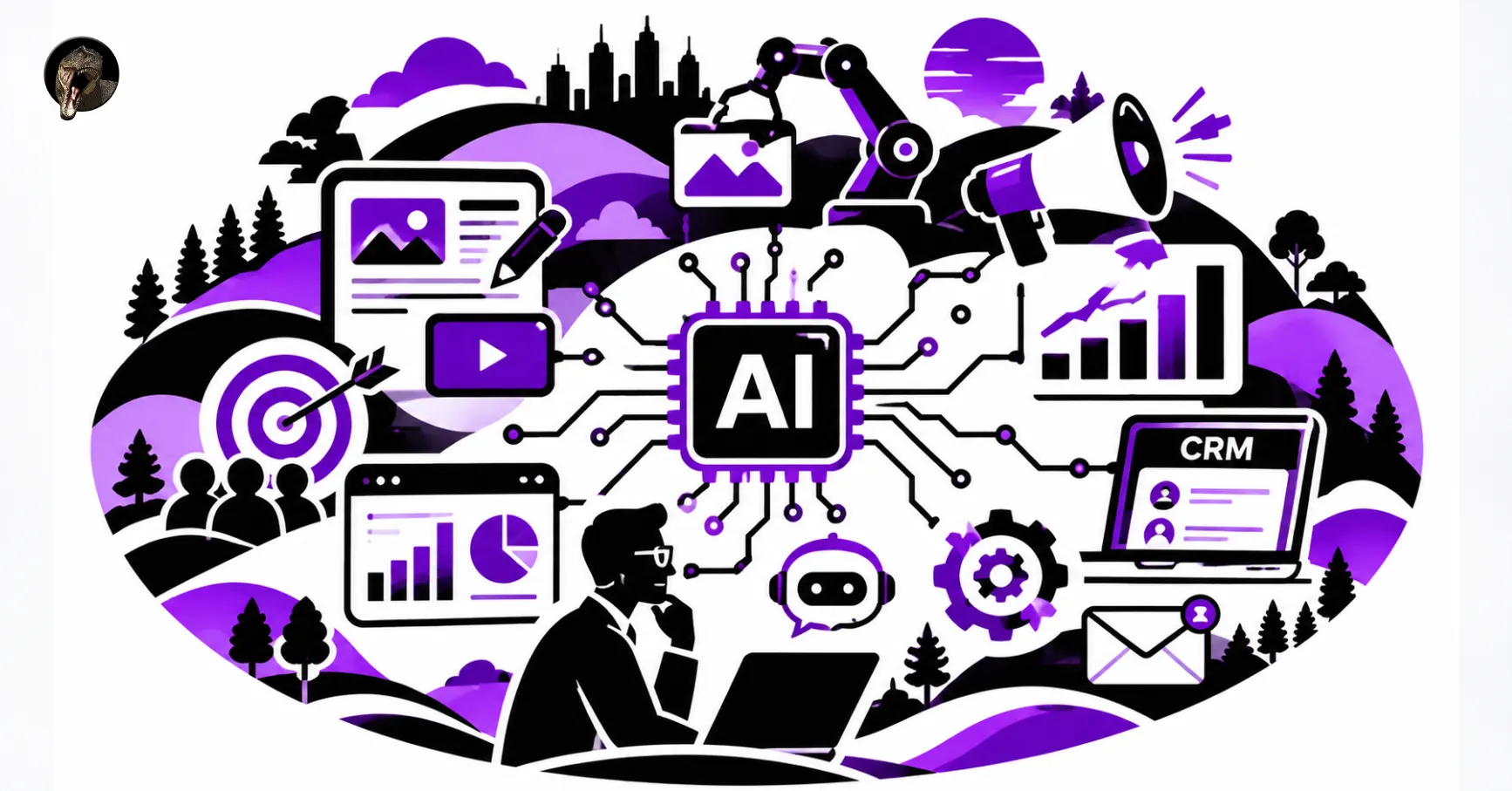
Artificial intelligence is moving beyond content generation and individual marketing tasks. Its bigger impact will come from connecting multiple activities into coordinated workflows.
Until recently, businesses primarily used AI to write advertising copy, generate images, create content ideas and summarise campaign performance. The next phase is more operational.
AI-powered systems can increasingly assist with market research, audience analysis, content adaptation, campaign reporting, customer segmentation, lead qualification and repetitive customer communication.
Consider a business launching a new service. Instead of assigning every task to a different person, its marketing team could use an integrated workflow to research competitors, identify customer objections, develop advertising concepts, prepare campaign variations and analyse incoming leads.
Human marketers would still need to approve strategic decisions, verify information and manage commercial outcomes.
Why This Matters
The advantage of AI is not simply that it produces content faster. It reduces the time and resources required to coordinate marketing activities.
Adobe's November 2026 marketing research surveyed 502 marketing professionals and 1,011 consumers in the United States. It reported that 74% of surveyed marketers expected to increase investment in AI tools and workflow automation in 2027. The median share of marketing tasks expected to be automated was projected to rise from 20% to 35%. These figures describe the survey sample, not the entire global industry.
What Businesses Should Do
- Identify repetitive marketing tasks that can be automated.
- Connect advertising platforms with CRM systems.
- Use AI to support research, reporting and content production.
- Establish human approval processes for important customer-facing communication.
- Measure whether automation improves productivity and conversion rates.
Rexthrone's perspective: Businesses should stop treating AI as an occasional productivity tool and start evaluating it as part of their marketing infrastructure.
2. Search Will Expand Beyond Traditional Search Engines
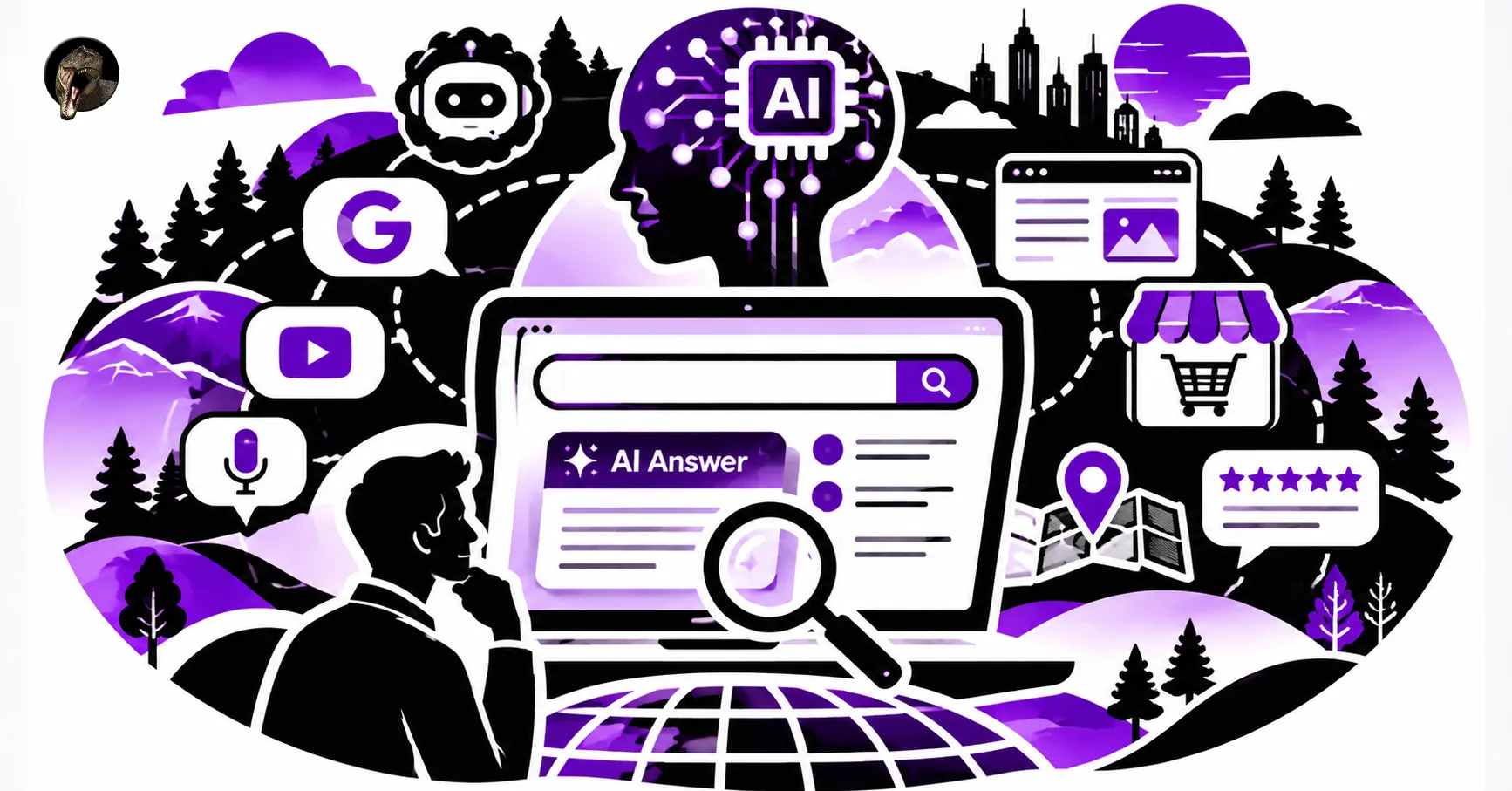
For years, search engine optimisation focused primarily on improving a website's visibility in traditional search results. That model is evolving.
Consumers increasingly use conversational AI tools to research products, compare service providers, understand complicated subjects and receive recommendations.
Instead of searching for several websites individually, a user can ask an AI assistant to compare available options and explain which provider best meets their requirements. This changes the discovery journey.
A potential customer might discover a business through Google, research it through an AI assistant, validate its reputation through reviews and finally contact it through WhatsApp.
What Is Changing in SEO?
Traditional SEO remains important, but businesses need to consider a broader discovery environment. This includes Google Search and AI-generated search experiences, AI assistants, YouTube and video search, social media discovery, online reviews and industry publications.
Generative Engine Optimisation (GEO) refers to efforts to improve a brand's visibility and representation in AI-generated search and recommendation experiences. GEO should not be treated as a replacement for SEO or as a collection of shortcuts that guarantee AI citations.
Google's guidance for AI features in Search continues to emphasise foundational SEO, useful original content, clear organisation and genuine value for readers. Its guide to generative AI search also explains why established SEO fundamentals remain relevant.
What Businesses Should Do
- Build comprehensive service pages.
- Publish original insights and expert-led content.
- Maintain accurate business information across the web.
- Strengthen reviews and reputation signals.
- Use descriptive headings and clear explanations.
- Develop relevant internal links between related content.
- Monitor traditional organic visibility and emerging AI referral traffic.
Rexthrone's perspective: Future search visibility will depend increasingly on whether a business can be clearly understood, trusted and recognised across multiple discovery platforms.
3. Advertising Platforms Will Automate More Campaign Decisions
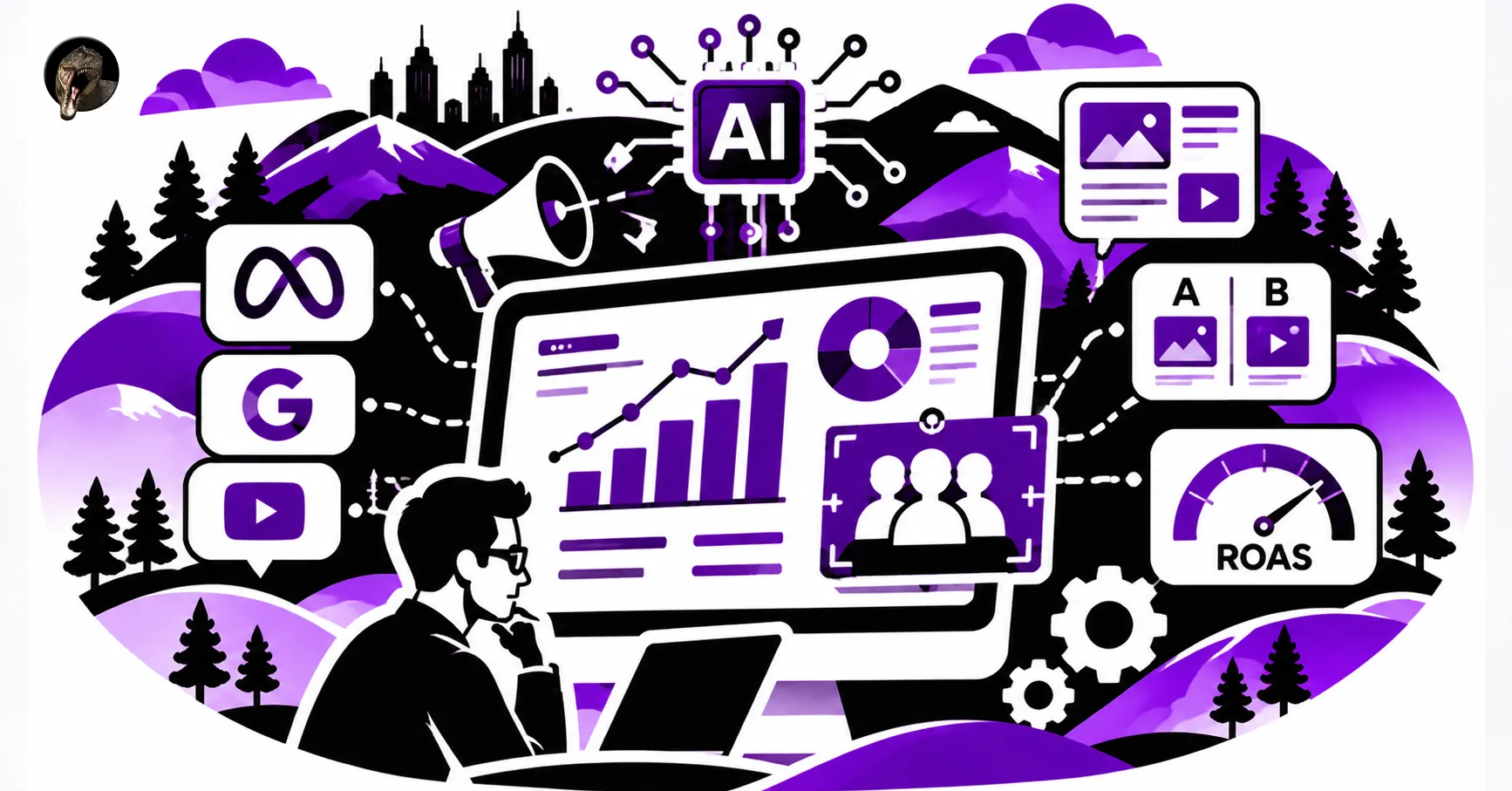
Paid advertising is changing from a largely manual optimisation process towards increasingly automated campaign management.
Platforms such as Meta and Google already offer machine-learning-driven bidding, audience expansion, automated placements and creative optimisation. Meta Advantage+, for example, applies AI across campaign audiences, placements and budgets. As these systems develop, the relative value of manually adjusting individual campaign settings may decline.
That does not make media buying irrelevant. It changes where expertise is most valuable.
An advertiser still needs to determine what product or service should be promoted, which customer problem the campaign should address, what offer will motivate a purchase, which creative concepts deserve testing, what conversion events should be measured and how much the business can afford to pay for a customer.
Advertising platforms can optimise delivery, but they cannot automatically fix a weak offer, poor customer experience or ineffective sales process.
The Changing Role of Performance Marketers
The traditional approach often focused heavily on audience selection, campaign structures and bid adjustments. The emerging approach places greater emphasis on creative strategy, offer development, conversion tracking, landing-page optimisation, first-party data, customer acquisition economics and sales feedback.
What Businesses Should Do
Provide advertising platforms with accurate conversion signals, test different creative approaches, improve the customer journey and evaluate campaign performance against actual business results.
Rexthrone's perspective: As advertising automation increases, the advantage will shift towards businesses and agencies that understand customer demand and conversion economics, not simply campaign settings.
4. Consumer Trust Will Become a Stronger Competitive Advantage

The cost of producing digital content has fallen dramatically. AI can generate advertisements, product descriptions, promotional videos and social media posts at a scale that was difficult to achieve just a few years ago.
But there is a problem. When every business can publish more content, producing more content is no longer a reliable way to stand out. Consumers have to decide which brands, claims and recommendations deserve their attention.
Adobe's 2027 research found that 66% of surveyed consumers considered accuracy and credibility important factors in deciding whether content was worth their attention. It also found that 45% identified products failing to match marketing claims as a reason they would lose trust in a brand. Separately, Edelman's 2025 Brand Trust research examines the role of trust in consumer relationships with brands.
This highlights an important commercial reality: marketing can generate expectations, but the actual customer experience determines whether those expectations are reinforced or damaged.
What Creates Trust?
- Demonstrable expertise.
- Genuine customer experiences.
- Transparent pricing and communication.
- Verifiable testimonials and case studies.
- Consistent product quality.
- Accurate advertising claims.
- Responsive customer support.
- Clear business information.
What Businesses Should Do
Stop treating content production as the entire content strategy. Publish material that demonstrates knowledge, answers genuine customer questions and provides evidence of the value being offered. Use AI to improve production efficiency, but preserve human judgement, originality and accuracy.
Rexthrone's perspective: In a market saturated with automated content, credibility and consistent customer experience can become meaningful competitive advantages.
5. Creator Marketing Will Evolve into a Measurable Distribution Channel
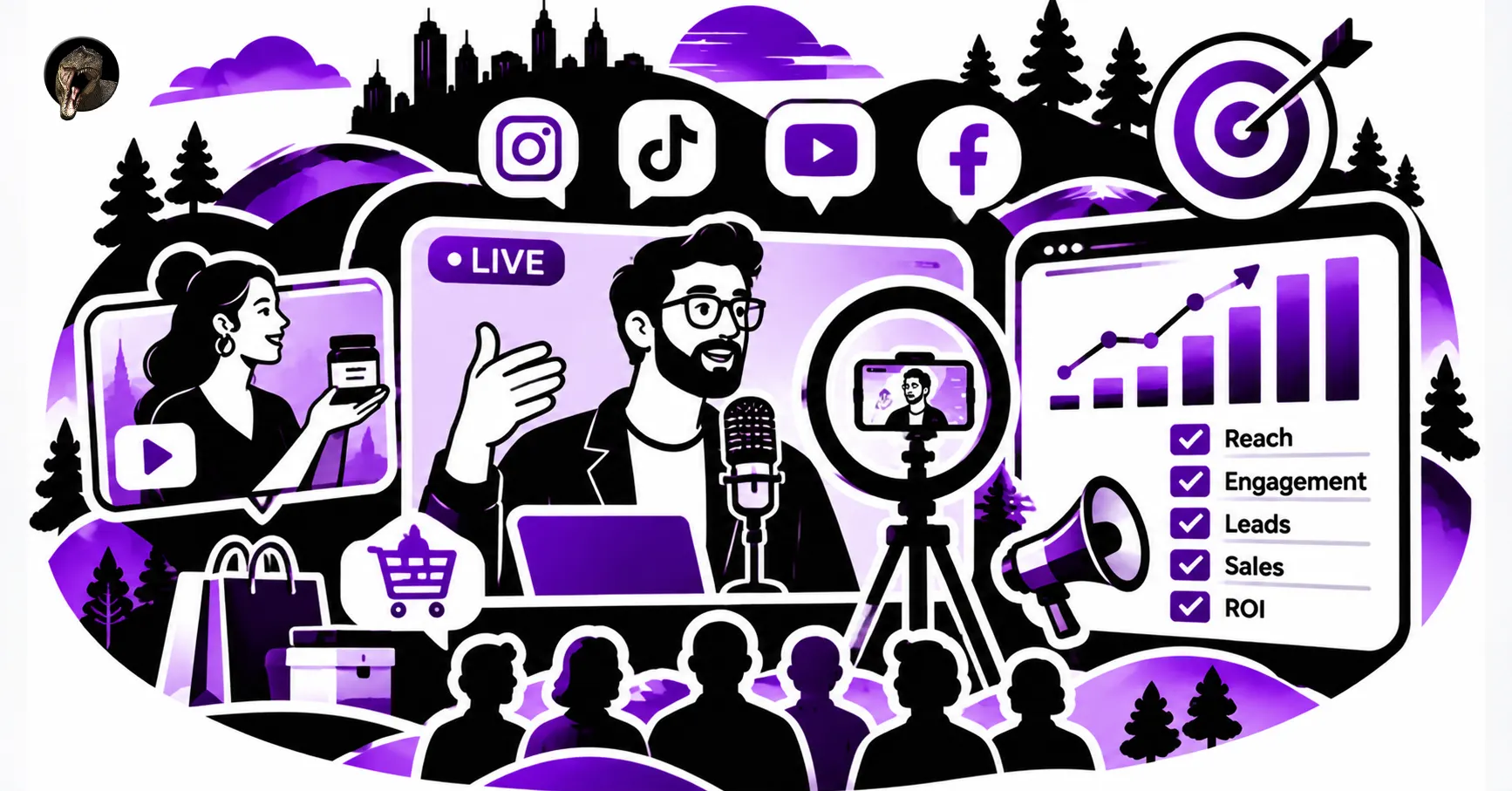
Influencer marketing is moving beyond one-off promotional posts. Businesses are increasingly interested in creators who can generate attention, establish credibility and influence purchasing decisions within specific communities.
A creator does not necessarily need millions of followers to generate commercial value. A specialist with a smaller, relevant audience may have stronger influence over purchasing decisions than a much larger general-interest account.
The Next Phase of Creator Partnerships
- Product education and demonstrations.
- Reviews and customer stories.
- Affiliate commissions and referral programmes.
- Paid amplification of creator content.
- Long-term brand partnerships.
- Trackable landing pages and promotional codes.
This makes creator marketing more measurable and commercially connected. The IAB's 2025 Creator Economy Ad Spend and Strategy Report describes creators as an established advertising channel and identifies measurement, standards and operational tools as important areas for improvement.
What Businesses Should Do
Evaluate creators according to audience relevance, credibility, content quality and their ability to generate qualified interest. Measure more than views and likes. Track referral traffic, enquiries, conversions and customer acquisition costs wherever possible.
Rexthrone's perspective: Creators can become part of a brand's distribution and sales ecosystem rather than remaining an isolated promotional expense.
6. Marketing Performance Will Be Judged More Closely by Revenue
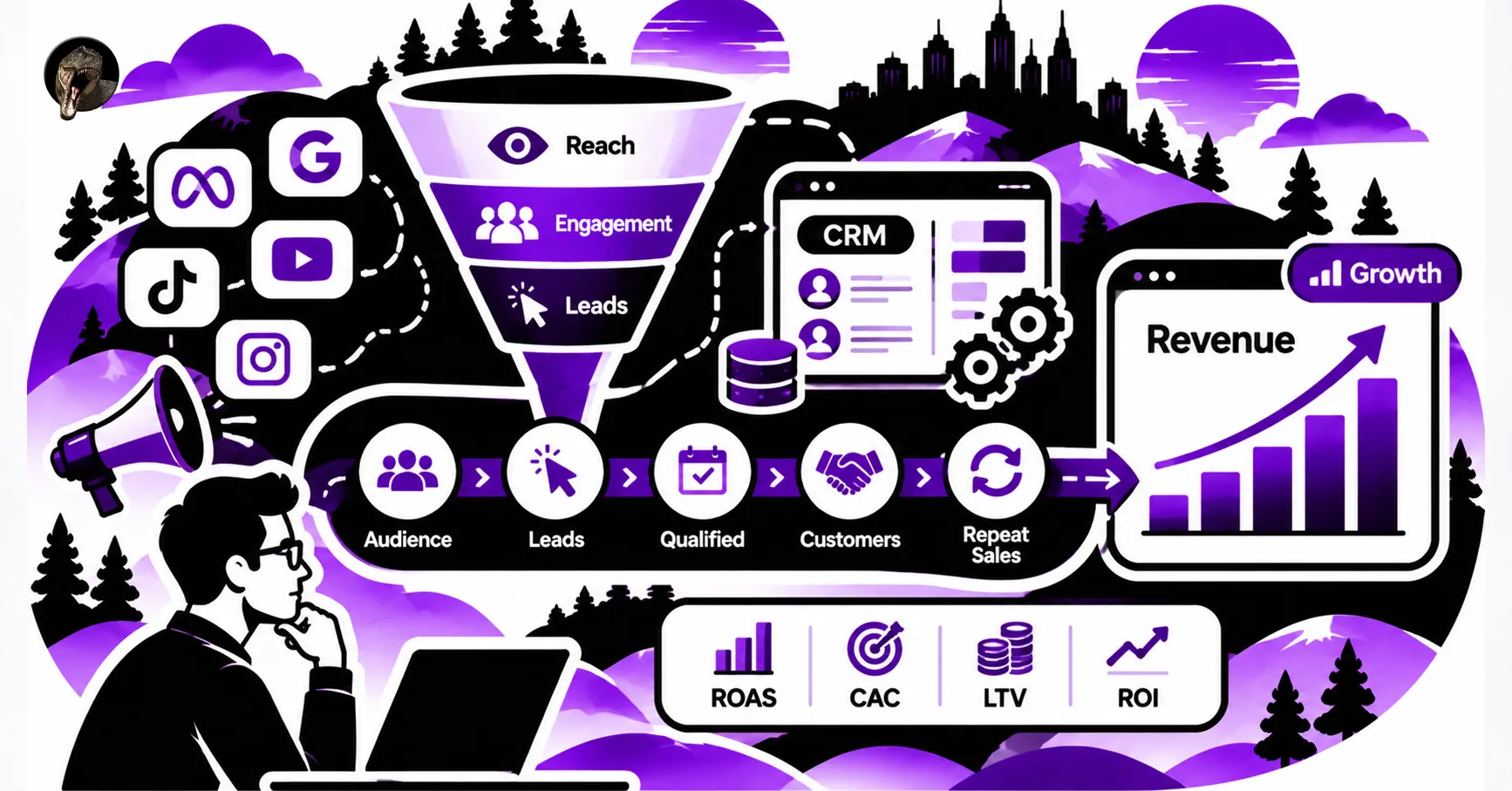
For a long time, digital marketing reports have focused on impressions, reach, clicks, engagement and cost per lead. These metrics are useful, but they do not necessarily demonstrate commercial success.
A campaign can generate hundreds of leads and still fail to produce profitable customers.
Consider two businesses. Business A generates 500 leads but converts only five customers. Business B generates 150 leads and converts 25 customers. Business B has fewer leads but may have a significantly stronger acquisition system.
This is why marketing performance needs to be connected to the sales process.
The Metrics Businesses Should Monitor
| Marketing metric | Commercial question |
|---|---|
| Cost per lead | How much does an enquiry cost? |
| Qualified lead rate | Are we attracting suitable prospects? |
| Contact rate | Can our sales team reach them? |
| Appointment rate | Are prospects willing to take the next step? |
| Lead-to-customer rate | Are enquiries converting into sales? |
| Customer acquisition cost | What does acquiring a customer actually cost? |
| Customer lifetime value | How valuable is the relationship over time? |
| Gross profit | Is the acquisition model commercially sustainable? |
What Businesses Should Do
Connect advertising platforms with CRM systems, record lead outcomes, establish consistent sales follow-up processes and report on customer acquisition rather than relying exclusively on platform-generated lead numbers. Google Analytics' documentation on data-driven attribution explains how conversion credit can be distributed across contributing interactions in a customer's journey.
Rexthrone's perspective: Marketing should not end when a lead form is submitted. It should be evaluated across the complete journey from initial discovery to revenue.
7. First-Party Data Will Become More Valuable
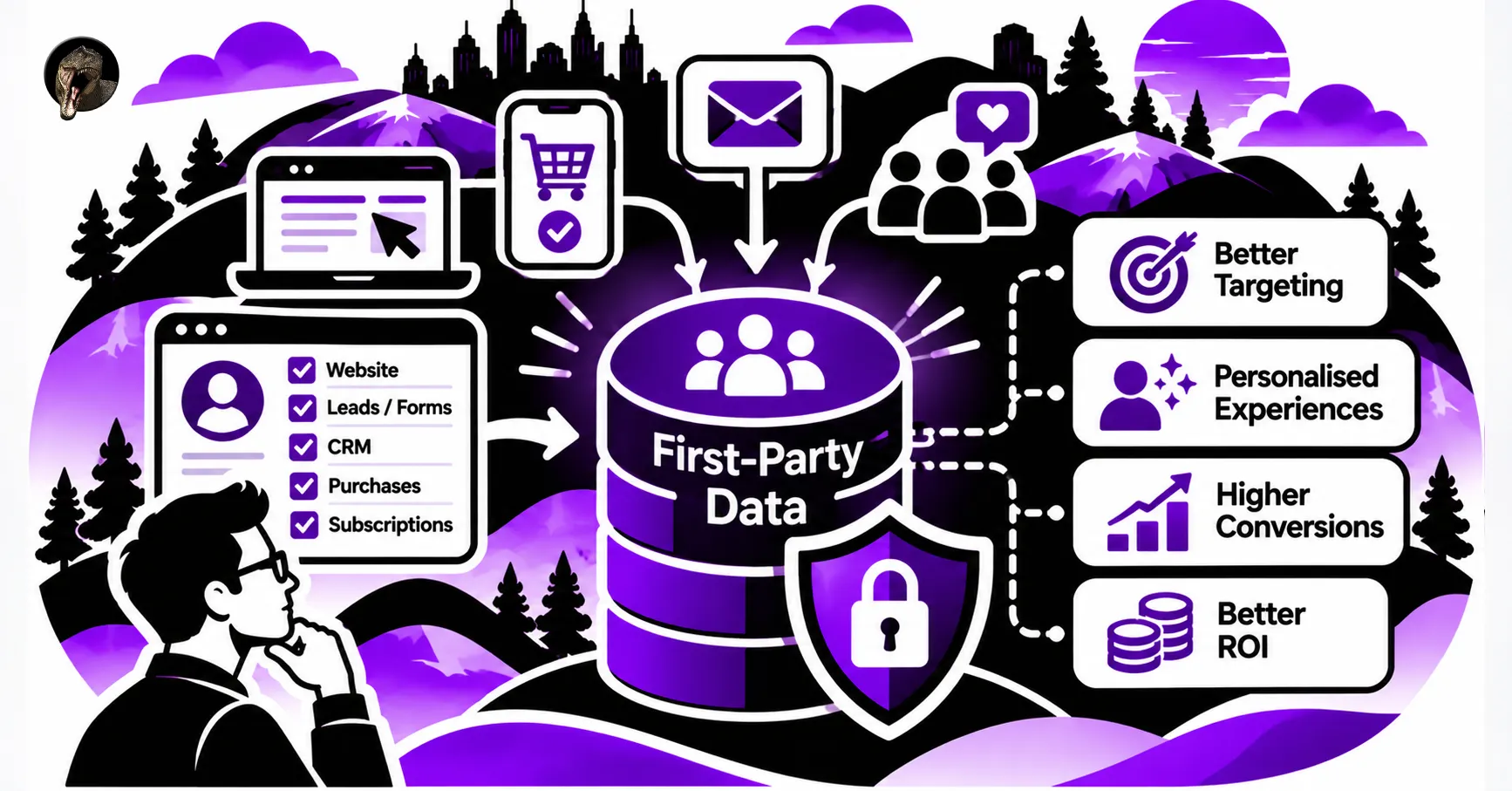
Businesses that depend entirely on social media followers, advertising platforms and third-party distribution have limited control over their customer relationships.
A platform can change its algorithm, advertising costs or account policies at any time. This makes direct customer relationships strategically important.
First-party data is information collected directly through a business's interactions with its customers, subject to applicable privacy requirements and consent.
Examples of First-Party Data
- Customer contact details.
- Purchase history.
- Enquiry records.
- Product preferences.
- Customer feedback.
- Subscription preferences.
- Previous interactions.
Why Does This Matter?
A business with a well-maintained customer database can develop more effective retention and repeat-purchase campaigns. It can also understand customer behaviour beyond what advertising platforms reveal. Google's first-party data playbook explains how consent-based customer data can support more relevant experiences and marketing decisions.
What Businesses Should Do
Implement a suitable CRM, maintain accurate customer records, collect information transparently, obtain appropriate communication consent, segment customers based on relevant behaviour, develop retention campaigns and protect customer information.
Rexthrone's perspective: Businesses should treat customer data as an important operational asset, not merely a collection of phone numbers and email addresses.
8. Personalisation Will Move Towards Behavioural Intelligence
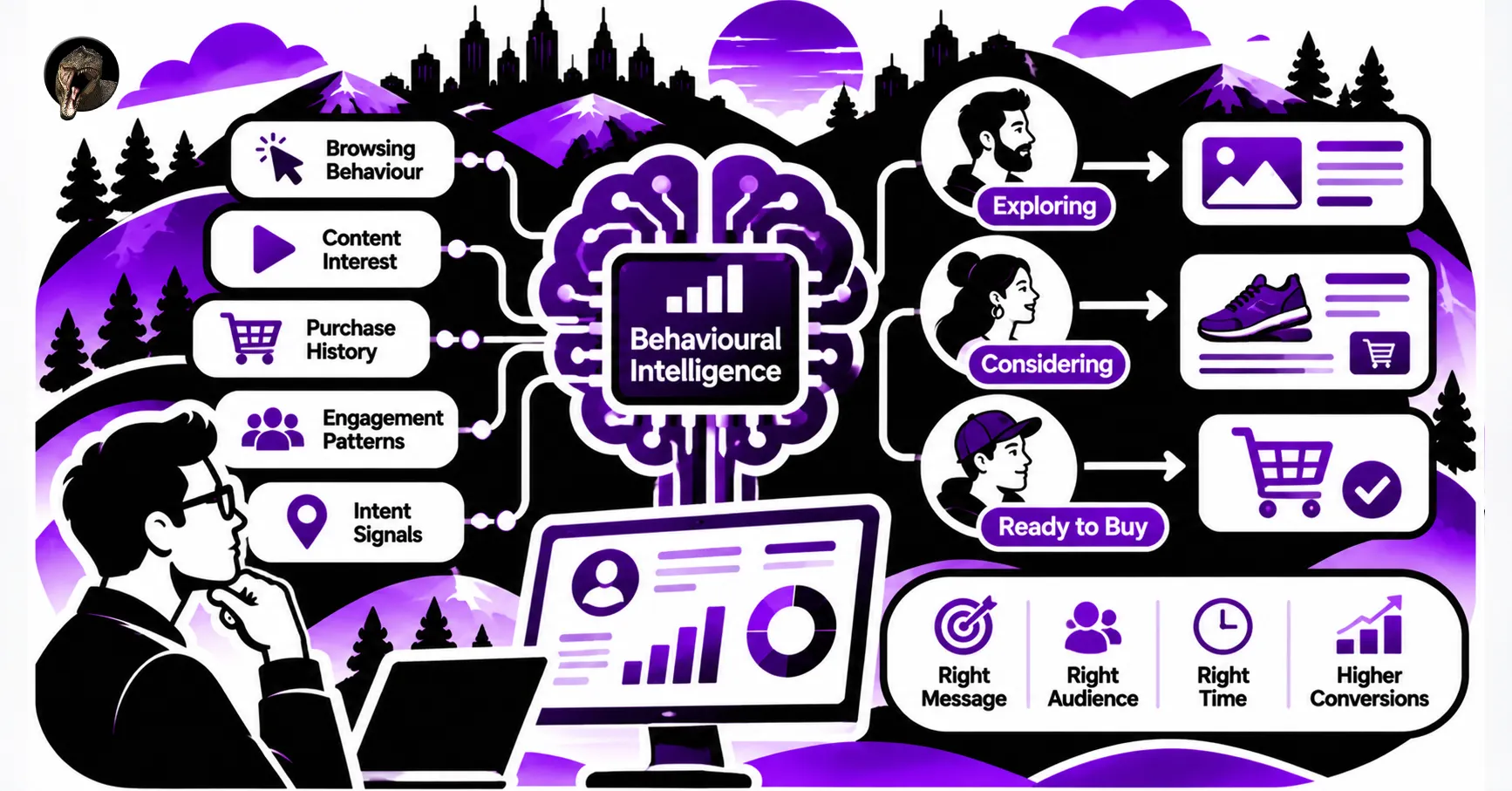
Traditional audience targeting often relies on demographic characteristics such as age, location, gender and income. These attributes are useful, but they do not explain every purchasing decision.
Two customers of the same age and income may buy the same service for completely different reasons. One wants convenience. Another wants reliability. A third wants affordability. A fourth wants a premium experience.
Understanding these motivations can make marketing more relevant.
Behavioural Personalisation in Practice
Consider a dental clinic. A person searching for emergency dental treatment has a different immediate requirement from someone researching cosmetic dentistry. The clinic should not communicate with both prospects using identical messaging.
Similarly, an ecommerce customer who has purchased repeatedly should not receive the same communication as someone who has never completed a transaction.
What Businesses Should Do
Use customer interactions, website behaviour, purchase history and CRM information to understand buying intent. Develop different messages for different customer needs and stages of the purchasing journey. Personalisation should remain relevant, respectful and consistent with customer privacy. Google's first-party data playbook discusses how customer data can inform more relevant experiences, while emphasising transparency and permission.
Rexthrone's perspective: Better marketing is not necessarily about reaching more people. It is about communicating the right value proposition to the right customer at the right stage.
9. Social Platforms Will Increasingly Overlap with Search and Commerce
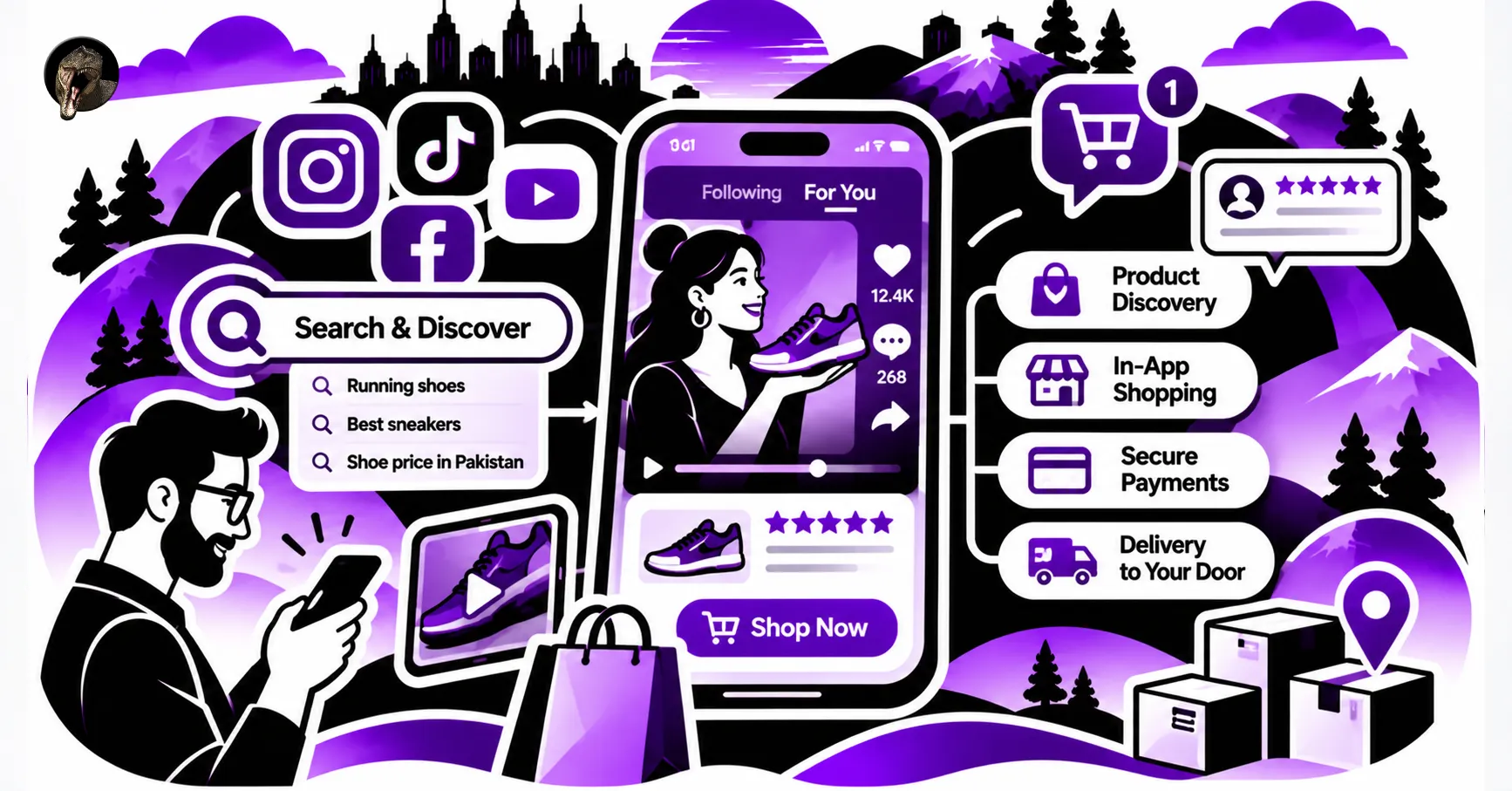
Social media platforms are no longer used exclusively for entertainment and communication. Consumers increasingly discover products, research brands, compare services and interact with businesses through social platforms.
This creates a more fragmented customer journey. Someone might discover a restaurant through an Instagram video, check its Google reviews, look at its location and contact the restaurant through WhatsApp.
Why This Matters
Businesses that operate each channel independently can lose visibility into the complete customer journey. A social media team might report engagement, an advertising team might report leads and the sales team might report revenue, without anyone understanding how these activities connect. The DHL 2026 Social Commerce Trends report examines the growing overlap between social discovery and purchasing behaviour.
What Businesses Should Do
- Connect social media with search visibility.
- Use paid advertising to support relevant customer journeys.
- Improve website and landing-page experiences.
- Connect messaging channels with CRM and sales management.
- Develop customer retention processes.
Rexthrone's perspective: Social media should not operate as an isolated publishing function. It should contribute to a broader customer acquisition and retention strategy.
10. Digital Marketing Agencies Will Move Towards Integrated Growth Partnerships
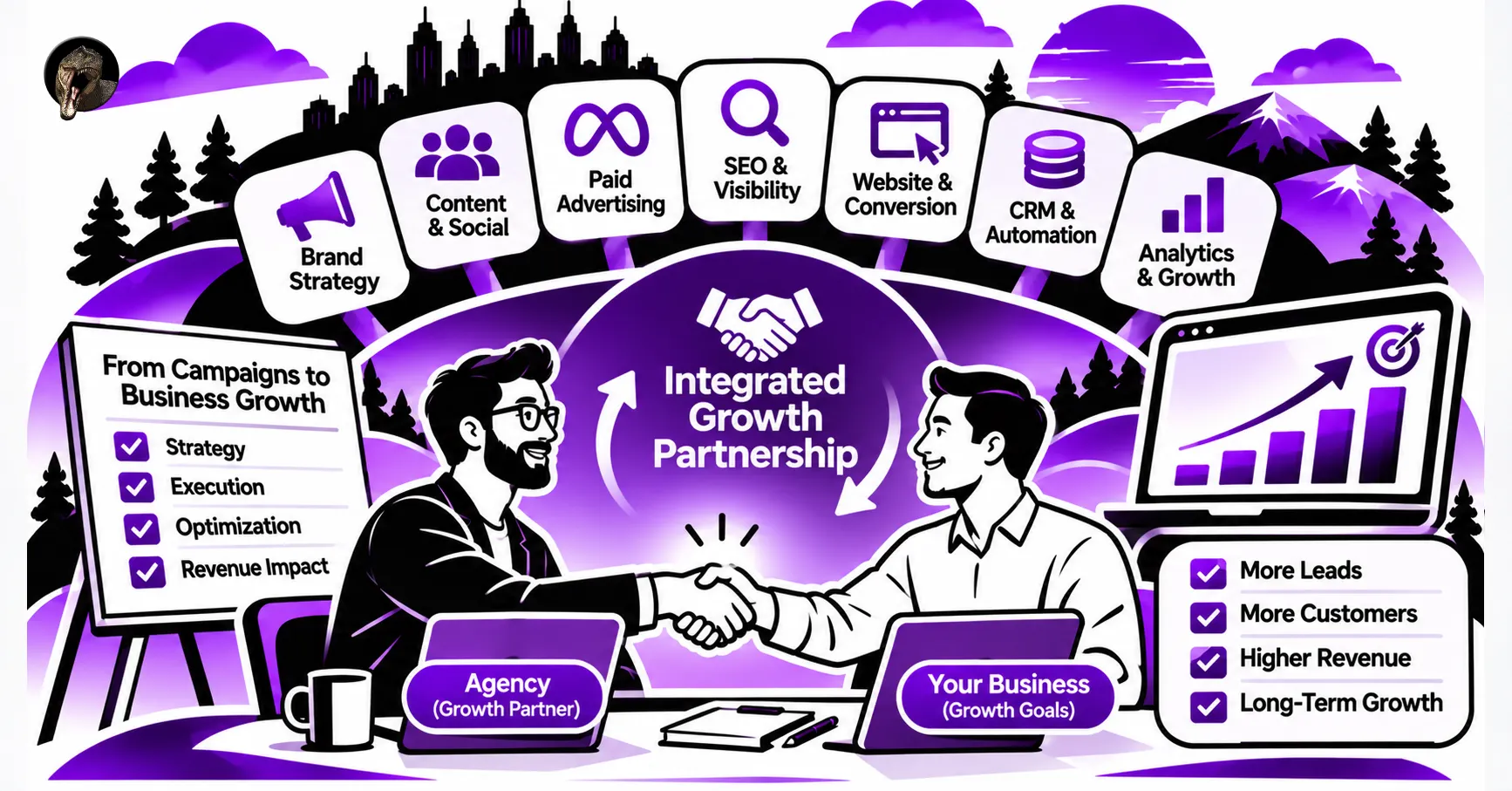
The traditional digital marketing agency model is built around specialised services. Clients hire agencies for social media management, graphic design, SEO, advertising, content production or website development.
These services remain valuable, but AI and automation are changing their production economics. Basic content generation, routine reporting, simple campaign management and repetitive administrative tasks can increasingly be supported by automated systems.
This places pressure on agencies that compete primarily through the volume of deliverables. The more defensible opportunity is to help businesses solve broader commercial problems.
The Emerging Agency Model
- Market research and business positioning.
- Customer acquisition strategy.
- Paid advertising and organic discovery.
- Website and landing-page optimisation.
- Lead qualification and CRM integration.
- Sales automation and follow-up.
- Marketing analytics and revenue reporting.
- Customer retention and conversion optimisation.
This creates a deeper relationship between the agency and the business. Instead of simply delivering marketing activities, the agency helps develop and improve the systems responsible for generating customers. Forrester's 2026 research on B2B agency relationships explores how AI efficiencies are changing the way marketing teams evaluate external agency support.
What Businesses Should Look for in a Marketing Agency
- Does it understand our business model?
- Can it explain how campaigns support our sales objectives?
- Does it track qualified leads and conversions?
- Can it identify weaknesses in our customer journey?
- Does it understand CRM and automation?
- Can it demonstrate the commercial value of its work?
Rexthrone's perspective: The future of the agency industry belongs to organisations that combine marketing expertise with business understanding, technology and measurable execution.
What Do These Marketing Trends Mean for Businesses in Pakistan?
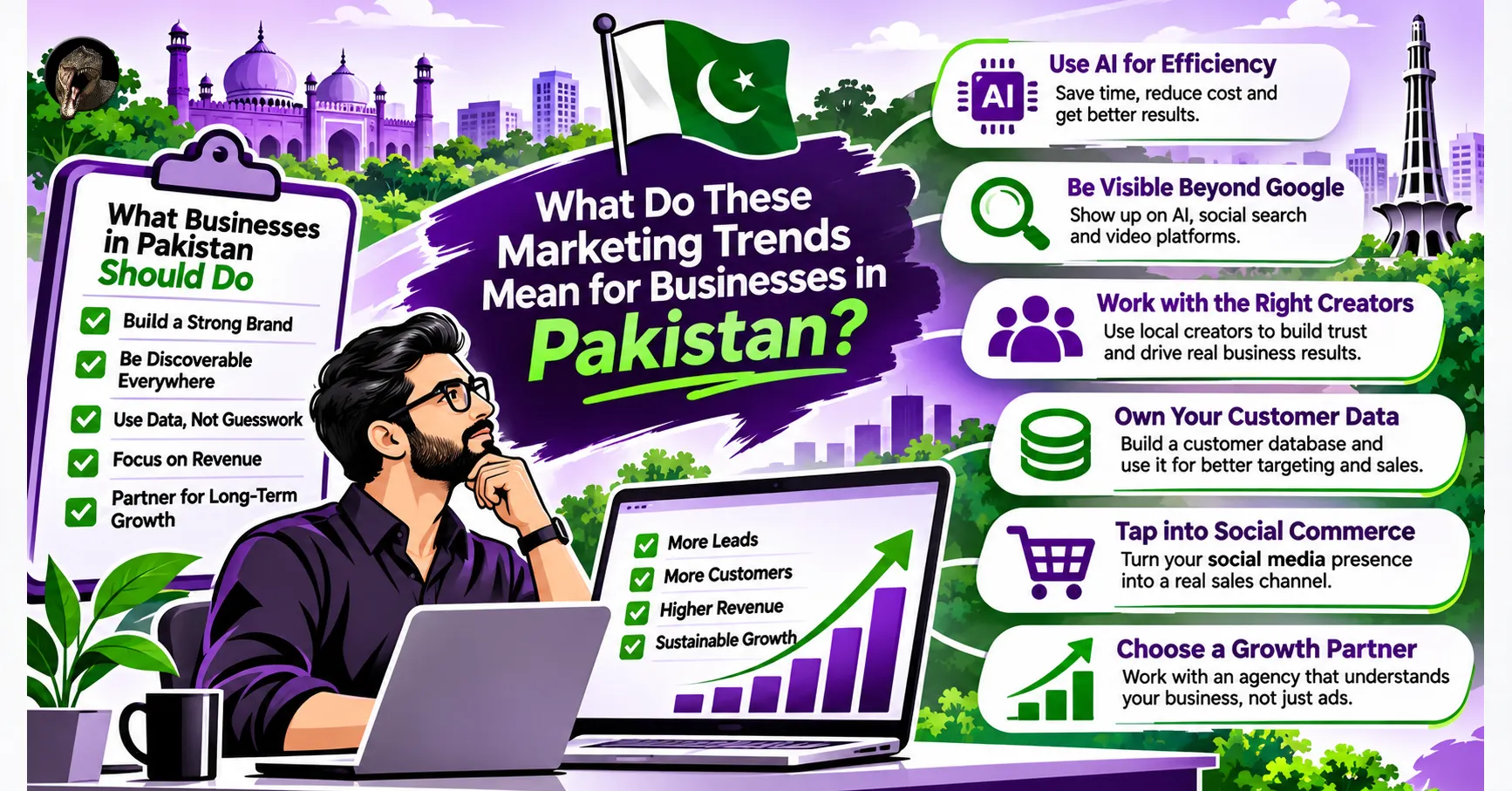
The global transformation of marketing will not affect every market in the same way. Pakistan has its own consumer behaviour, purchasing power, business maturity and digital infrastructure.
DataReportal's Digital 2027: Pakistan report provides a useful snapshot of the country's digital environment. Its October 2026 figures include approximately 149 million internet users, 94.1 million social media user identities and 207 million cellular mobile connections. Social media identities are not necessarily unique individuals, and mobile connections should not be confused with individual mobile internet users.
Five Developments Pakistani Businesses Should Prepare For
1. AI Adoption Among Small and Medium-Sized Businesses
AI-assisted content, customer support, reporting and automation can help smaller companies improve operational efficiency. The opportunity is to implement systems that solve real business problems rather than adopting technology simply because it is fashionable.
2. WhatsApp-Based Customer Acquisition
Messaging can play an important role in customer enquiries, qualification, follow-ups and service communication. Businesses should connect these interactions with proper lead management rather than leaving everything inside disconnected conversations.
3. More Competition in Paid Advertising
As more businesses enter digital advertising and creative production becomes easier, differentiation will increasingly depend on offers, positioning, customer experience and conversion efficiency.
4. Search and AI Visibility
Pakistani businesses need to strengthen their websites, local search presence, reviews, expertise and brand information to remain discoverable across traditional and emerging search experiences.
5. Greater Demand for Measurable Marketing Results
Business owners will increasingly need to understand what happens after an advertisement generates an enquiry. Marketing, sales and customer management need to operate as connected functions.
How Businesses Should Prepare for 2027: A Practical Action Plan
Understanding industry trends is useful, but the real value comes from translating them into operational improvements. Businesses do not need to adopt every new technology or marketing channel immediately. They need to identify which developments directly affect their customers, operations and growth objectives.
Step 1: Review Your Current Customer Acquisition System
Identify where enquiries originate, how customers discover your business and which channels generate the most valuable customers.
Step 2: Improve Your Digital Authority
Strengthen your website, service pages, search visibility, customer reviews and expert-led content.
Step 3: Introduce AI Where It Creates Measurable Efficiency
Start with repetitive activities such as reporting, content adaptation, customer segmentation and lead administration.
Step 4: Connect Marketing with Sales
Use CRM systems to track enquiries, contact rates, appointments, proposals and completed sales.
Step 5: Improve Your Advertising and Creative Strategy
Test different customer motivations, offers, messages and creative concepts rather than relying on one advertisement or audience.
Step 6: Build a Customer Retention System
Develop processes for repeat purchases, customer feedback, referrals and ongoing communication.
Step 7: Measure Commercial Performance
Monitor customer acquisition cost, conversion rates, gross profit and customer lifetime value.
The objective is not to make your marketing more complicated. It is to make your business more capable of generating and retaining customers.
What Will Separate Successful Businesses from Unsuccessful Ones in 2027?
The difference will not simply be who uses the most AI tools, publishes the most content or spends the most on advertising.
Businesses with stronger competitive positions will generally be those that combine:
- A clear market position.
- A valuable and relevant offer.
- Strong customer understanding.
- Consistent brand communication.
- Efficient marketing execution.
- Reliable conversion processes.
- Useful customer data.
- Continuous performance measurement.
Technology will make many marketing activities easier to access. It will not automatically make every business commercially competitive.
A company can use sophisticated AI systems and still struggle if its product is weak, its pricing is uncompetitive or its customer experience is poor. Marketing works best when the entire business is capable of delivering what its campaigns promise.
Final Perspective: The Future of Marketing Is Connected Business Growth
The marketing industry is not simply moving towards more automation. It is moving towards a closer connection between technology, customer intelligence, brand authority, advertising, sales and business performance.
AI will change how marketing work is performed. Search will change how customers discover businesses. Advertising platforms will automate more decisions. Content will become easier to produce, making credibility increasingly important. Customer data and retention will become more valuable.
For businesses, the challenge is to adapt without losing sight of the fundamentals: understanding customers, delivering value and building sustainable commercial relationships.
For marketing agencies, the opportunity is to move beyond isolated services and help companies develop more effective growth systems.
At Rexthrone, we believe the next phase of digital marketing will reward businesses that combine intelligent technology with strong strategy, genuine customer understanding and measurable execution.
The future advantage will not belong to the business that produces the most marketing. It will belong to the business that turns marketing into a consistent source of customer and commercial value.
Frequently Asked Questions About Marketing Trends in 2027
1. What Are the Biggest Marketing Trends for 2027?
The major marketing trends expected to shape 2027 include AI-powered marketing automation, generative AI search, automated advertising, consumer trust, creator marketing, first-party data, behavioural personalisation, revenue-focused performance marketing and integrated growth systems.
2. How Will AI Change Digital Marketing in 2027?
AI is expected to become more deeply integrated into research, content production, campaign management, customer segmentation, reporting and marketing automation. Human expertise will remain important for strategy, creative direction, commercial decisions and quality control.
3. Will SEO Still Be Important in 2027?
Yes. Traditional SEO remains important for search visibility, while businesses also need to consider AI-generated search experiences, brand authority, useful original content and accurate business information.
4. What Is Generative Engine Optimisation (GEO)?
GEO refers to optimising a brand's content and digital presence to improve its visibility and representation in AI-generated answers and recommendations. It complements foundational SEO rather than replacing it.
5. Will AI Replace Digital Marketing Agencies?
AI will automate or reduce the cost of many marketing tasks, but agencies that provide strategic direction, business understanding, conversion optimisation and integrated growth systems can continue to create significant value.
6. What Marketing Strategy Should Businesses Follow in 2027?
Businesses should combine clear positioning, high-quality content, paid advertising, SEO, customer data, CRM, automation and sales optimisation. The right combination depends on the business model, target market and commercial objectives.
7. How Can Pakistani Businesses Benefit from AI Marketing?
Pakistani businesses can use AI to improve content production, customer communication, lead management, reporting, customer segmentation and repetitive operations. The priority should be measurable efficiency and better customer outcomes.
8. Why Is First-Party Data Important for Businesses?
First-party data helps businesses understand their customers, manage relationships, improve retention and build marketing systems that are less dependent on third-party advertising platforms.
9. What Is the Difference Between Traditional Digital Marketing and Growth Marketing?
Traditional digital marketing often focuses on individual channels and activities such as advertising, SEO and social media. Growth marketing takes a broader approach, connecting customer acquisition, conversion, retention, experimentation and revenue performance.
10. How Should a Business Choose a Digital Marketing Agency in 2027?
Look for an agency that understands your business, develops a clear strategy, connects marketing with sales, measures qualified customer acquisition and can improve your overall conversion process rather than reporting only impressions and leads.
Research and References
The following publications and documentation informed the research and analysis in this article. Links open the original source material.
- The Economist Group, The World Ahead 2027.
- Adobe, Marketing Trends 2027: AI Optimism Meets a Consumer Trust Gap.
- Google Search Central, AI Features and Your Website.
- Google Search Central, Guide to Optimizing for Generative AI Features.
- Meta for Business, Advantage+ Advertising.
- Edelman, 2025 Trust Barometer, Special Report: Brand Trust.
- IAB, 2025 Creator Economy Ad Spend and Strategy Report.
- Google Analytics Help, Reporting Attribution Models and Data-Driven Attribution.
- Think with Google, First-Party Data Playbook for Marketing.
- DHL, 2026 Social Commerce Trends.
- Forrester, As AI Use Expands, B2B Marketers Become More Selective About Agency Spend.
- DataReportal, Digital 2027: Pakistan.
About Rexthrone
Rexthrone is a digital marketing and growth partner helping businesses strengthen their online presence, attract customers and improve marketing performance.
Our services include performance marketing, Meta and Google advertising, SEO, content strategy, website development, conversion optimisation and marketing automation.
We focus on connecting marketing activities with measurable business objectives.
Looking to Build a Stronger Customer Acquisition System?
Explore Rexthrone's digital marketing and growth solutions, or speak with our team about your business objectives.
Explore RexthroneEditorial note: This article presents an analysis of emerging industry developments and forecasts for 2027. Predictions describe plausible directions, not guaranteed outcomes. Research statistics should be interpreted within their stated geographical and methodological limitations.